
RF-DXing RLF Yagi (Rectangular Loop Feed Yagi)
Dear Fellow Hams,
In response to recent criticism comparing our RLF Yagi design with G0KSC’s LFA, we would like to offer a clear and comprehensive clarification.
First and foremost, we would like to state unambiguously that the RLF Yagi is not a copy of G0KSC’s LFA. The RLF design is based on a long-established antenna technique commonly referred to as the coplanar loop–driven Yagi.
RLF stands for Rectangular Loop Feed, a name that accurately reflects both the physical geometry and the electrical behavior of the driven element.
From a technical standpoint, the RLF Yagi uses a rectangular quad loop as the driven element, replacing the traditional straight or folded dipole and eliminating the need for an external 4:1 matching network. Achieving this configuration required extensive optimization using NEC-4.2 and NEC-5, involving a very large number of simulation runs.
We acknowledge that our earlier wide-spaced rectangular loop configuration bore a visual resemblance to the LFA design, despite being rooted in older and well-known theory common to both approaches. To remove any remaining ambiguity or controversy, we have since redesigned the RLF driven element, adopting a closely spaced rectangular quad loop.
This updated configuration is clearly distinct from G0KSC’s LFA while delivering equivalent electrical performance. In addition, it offers improved mechanical strength and overall robustness.
We do not have direct knowledge of how G0KSC implemented his design or which tools he used. Nevertheless, his work represents an excellent modern application of loop-driven Yagi principles, particularly in addressing noise performance and enabling direct 50-ohm feeding. G0KSC deserves full credit for being the first to successfully apply and popularize this approach in contemporary amateur antenna design. We hold him in high regard and recognize him as one of the finest antenna designers in the amateur radio community.
During our own development work—initially focused on achieving a 50-ohm Yagi design using a folded dipole in EZNEC (NEC-4.2 and NEC-5 engines)—we arrived independently at a structure that shared conceptual similarities with the LFA. As this was neither a direct copy nor a rescaling of any G0KSC design, we proceeded to finalize the RLF design for production across multiple bands. The RLF differs from the LFA in element spacing, boom length, and electrical characteristics such as gain, SWR, and front-to-back ratio.
Whether referred to as LFA or RLF, these antenna designs have become practical today thanks to modern 50-ohm systems, improved understanding of noise behavior, and the ability to achieve proper impedance matching without additional matching networks.
We make no claims of patent or copyright, as this work represents an implementation of established antenna theory rather than a novel invention.
We hope this clarification resolves any misunderstandings and brings this discussion to a constructive close.

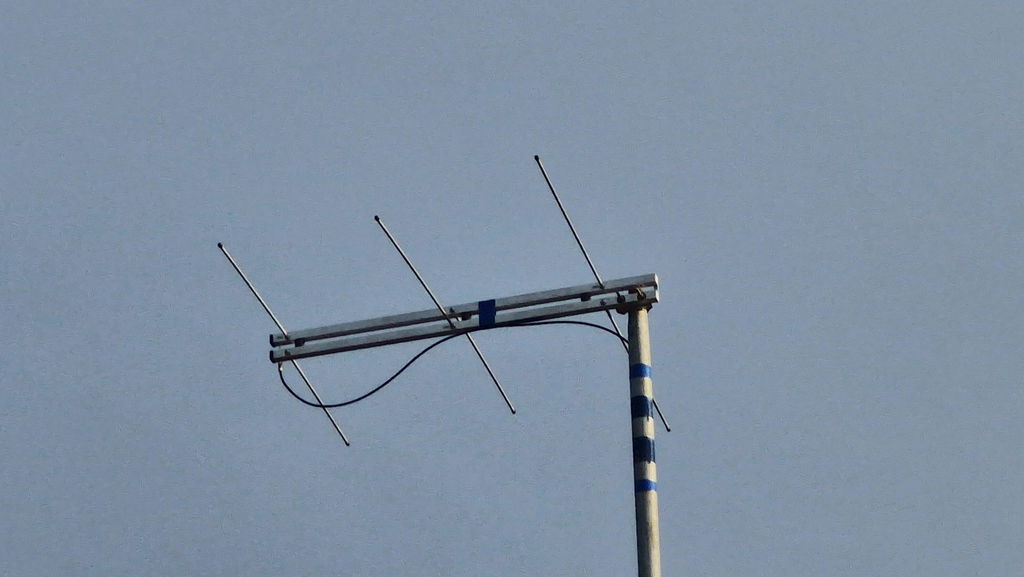
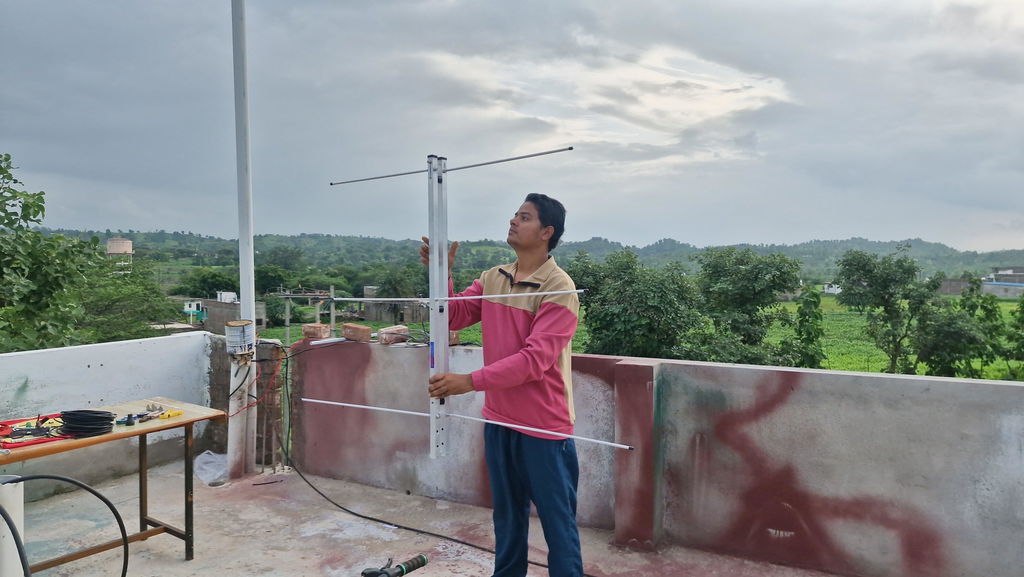
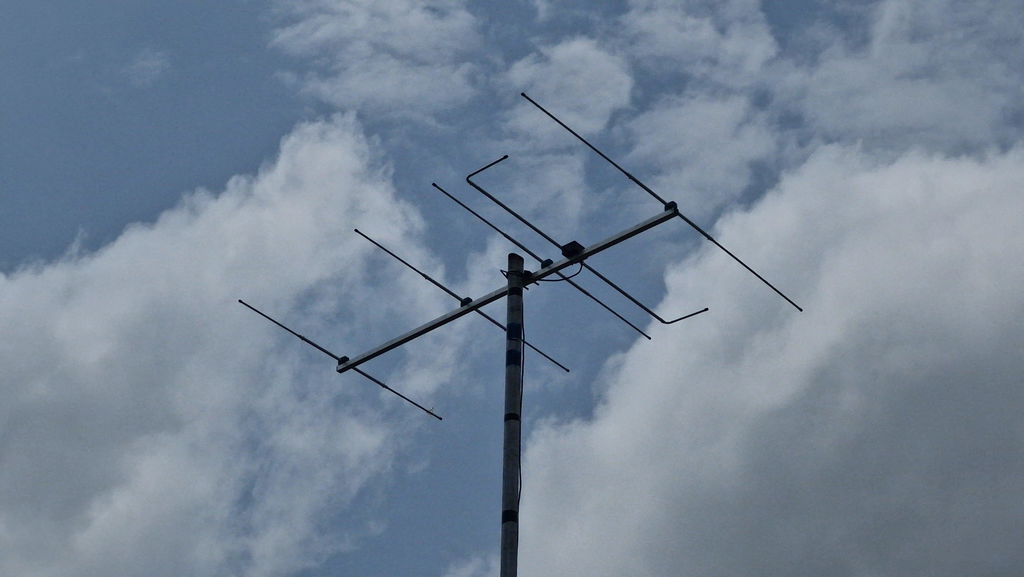
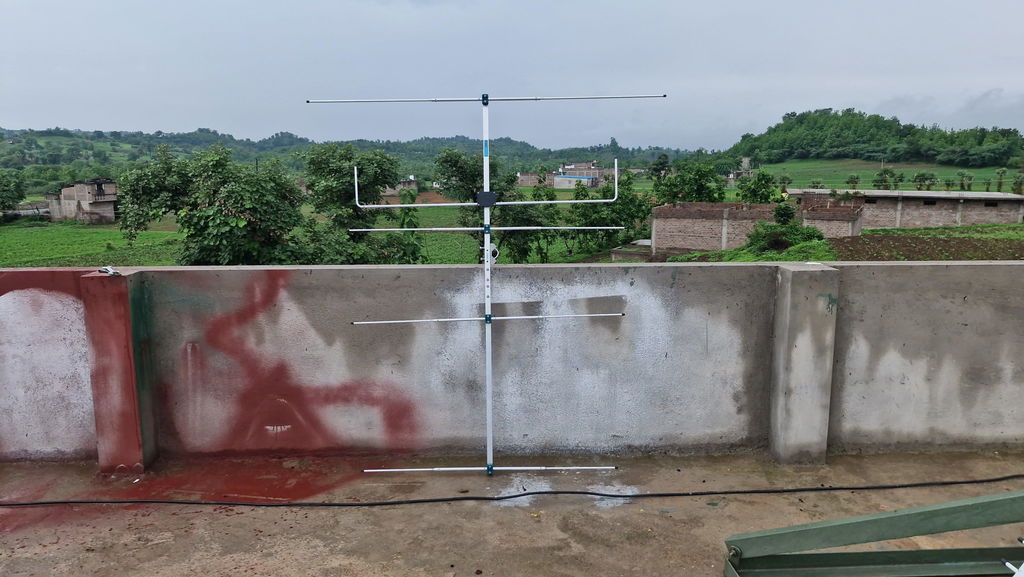
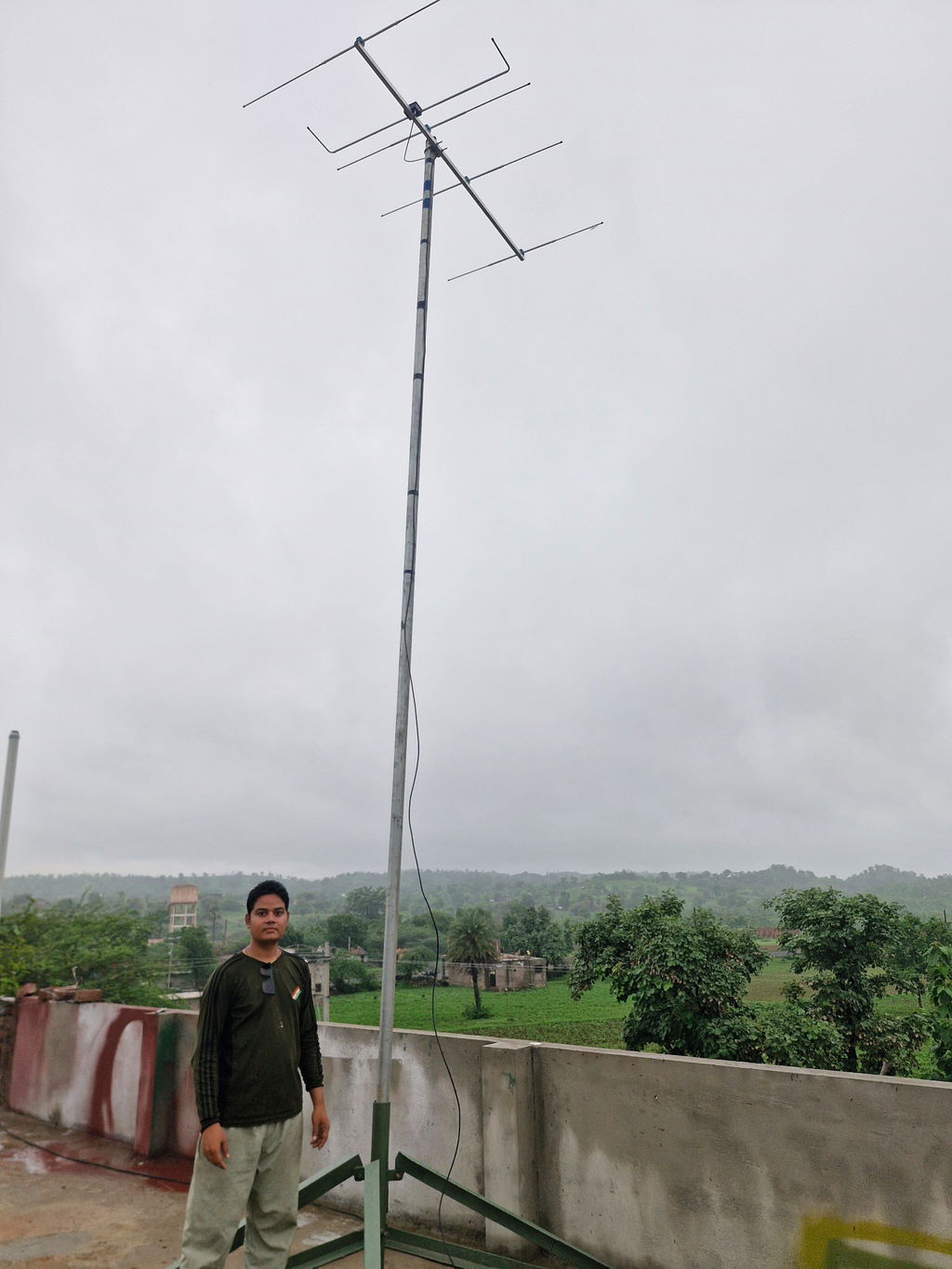
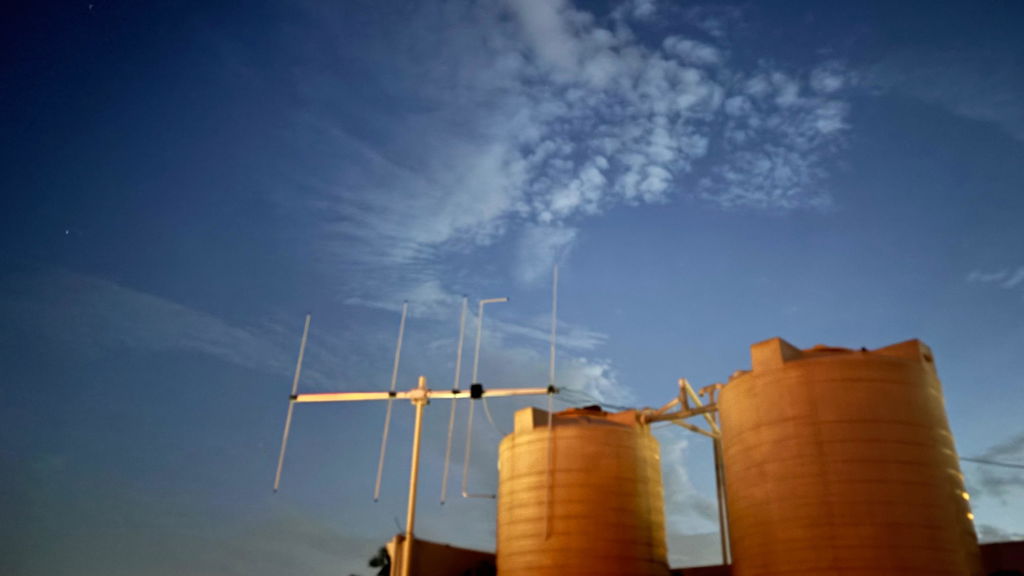
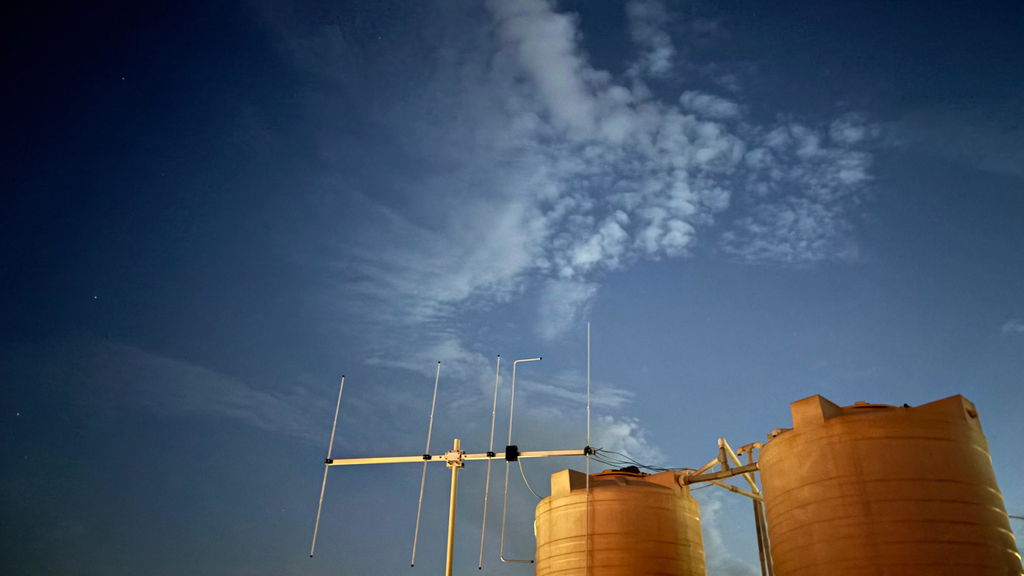
Previous RLF Yagi similar Looking to LFA

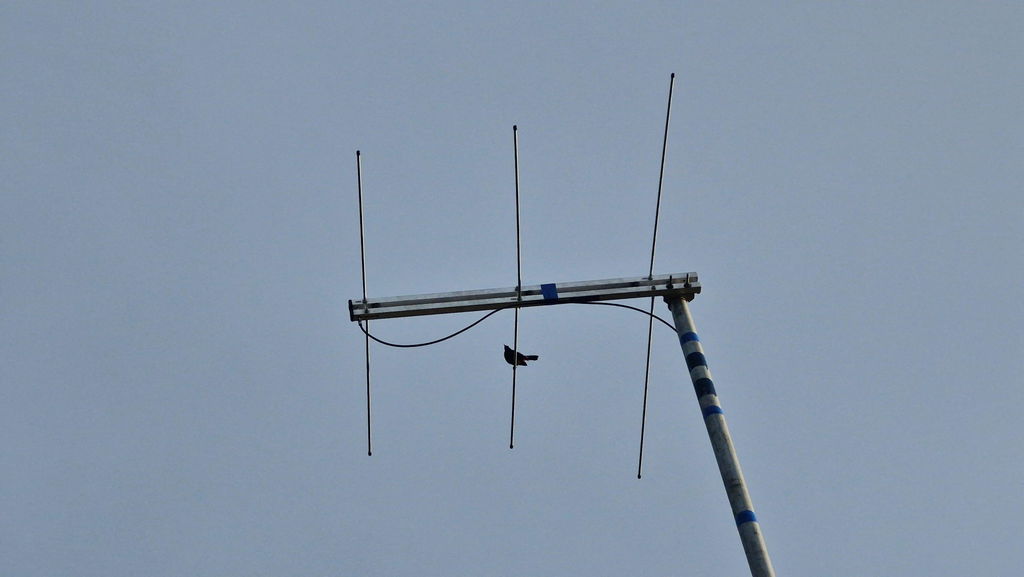
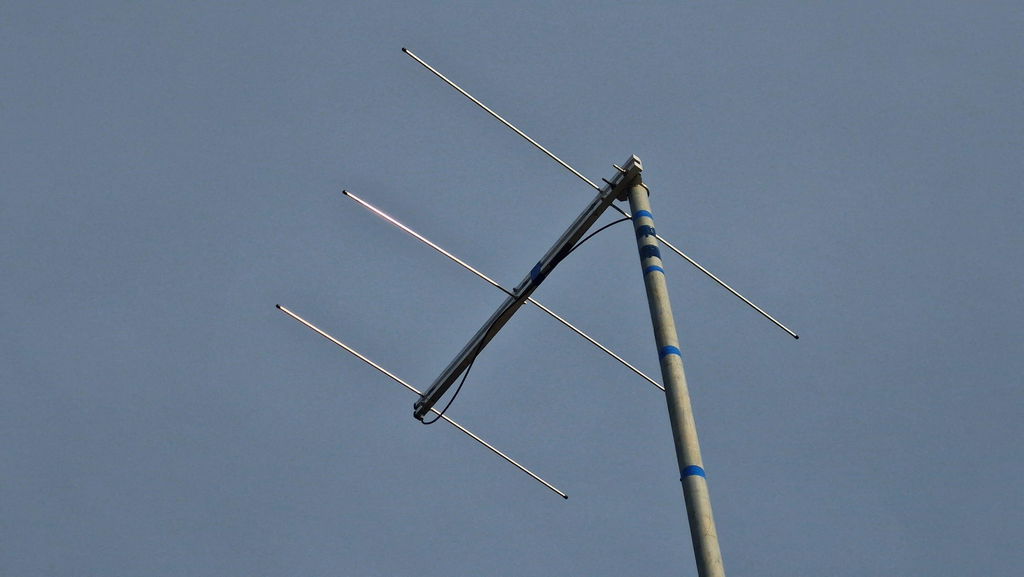
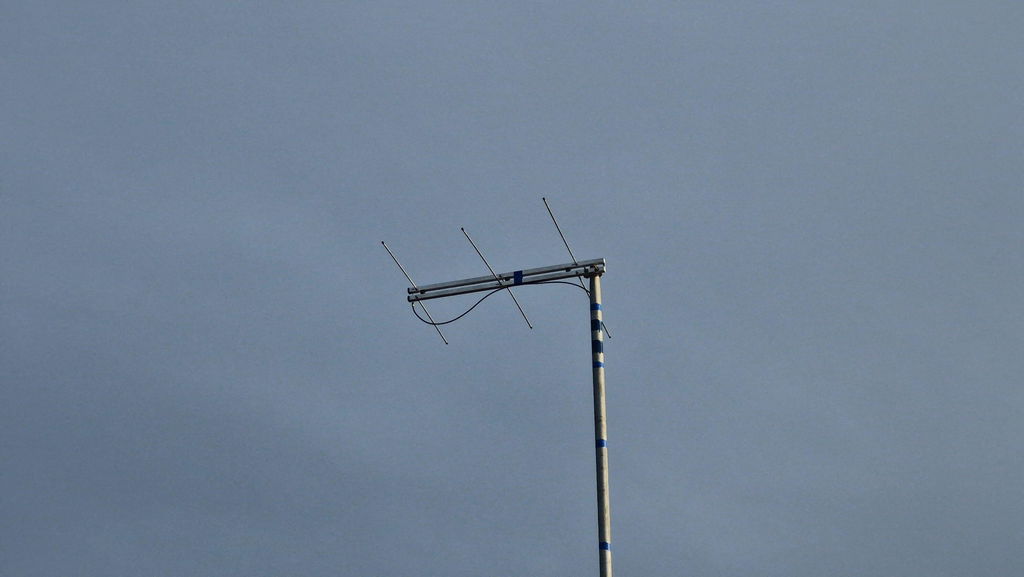
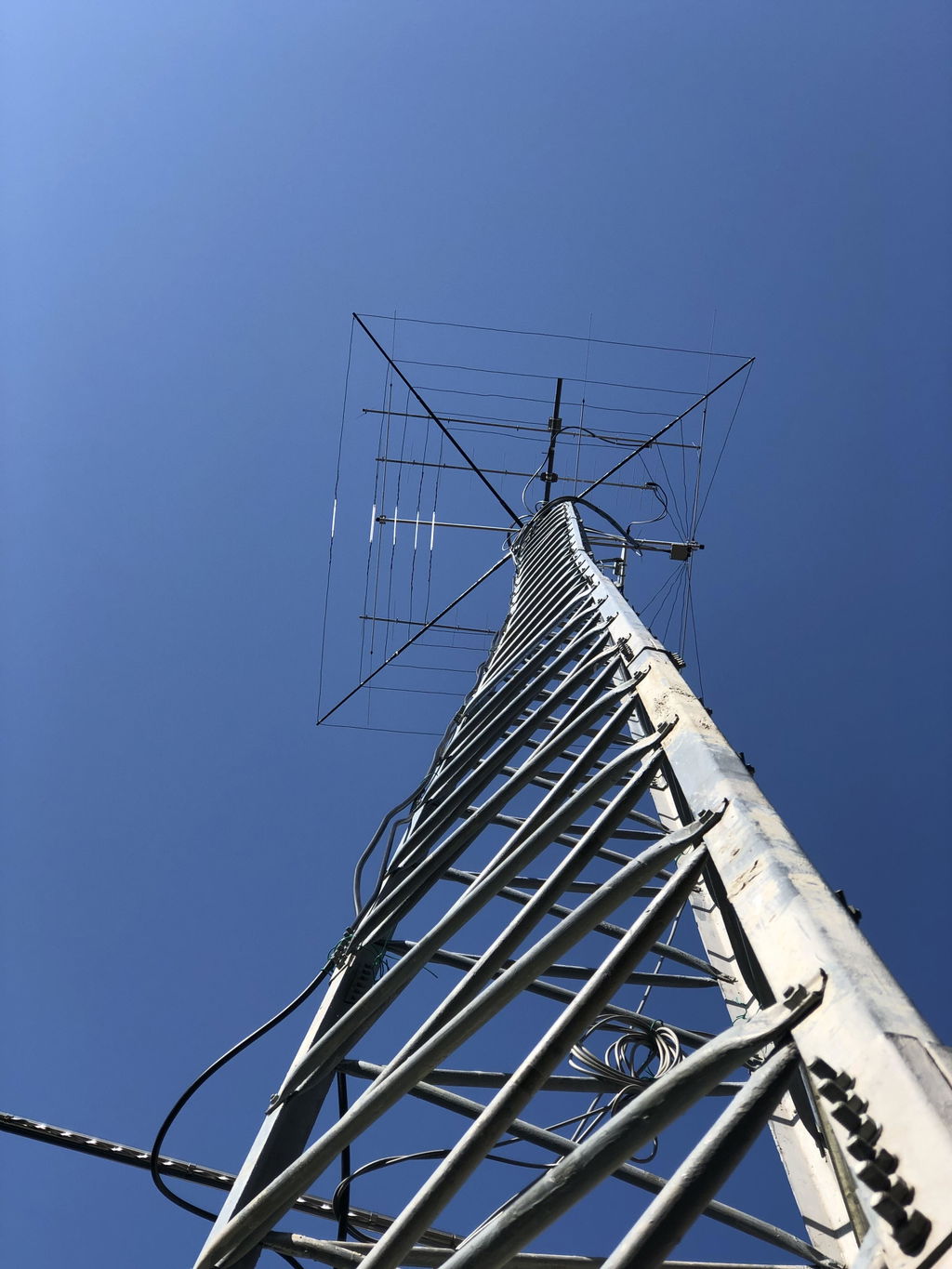
New RLF Yagi with Close Spaced Rectangular Loop Driven.
Here are some simulation results using NEC5


We are gradually converting all our existing RLF Yagi antennas (which currently look similar to the older RLF design) to our new Close-Spaced RLF Yagi configuration. From now on, all buyers will receive this close-spaced RLF Yagi version.
Please note that it will take some time to update the product photos on our website, so some pages may still show images of the older RFD Yagi design.
If you are interested in the antenna design for personal construction, please feel free to write to us at:
rfdxingantennas@gmail.com
If you are looking to purchase a commercially built antenna, kindly visit the product page using the link below:
https://rfdxing.com/products/rfd-50rlf3-3-elements-50-mhz-6m-rlf-rectangular-loop-feed-yagi
Thank you for your understanding and continued support.
73,
de VU3FWG
RF DXing Antenna, India